
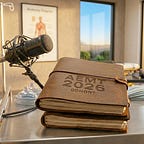

If you think the AEMT textbook looks oddly familiar to the EMT material, you’re correct. Much of AEMT training is refining EMT training, adding a few more skills, and diving a bit deeper into the science of EMS. If pathophysiology is your jam then you’ll love AEMT school.
On this episode, I talk briefly about AEMT, what to expect, and the outline of how it differs from EMT training. I also try to unravel some of the confusion from the key topics covered below:
EMS Systems and History: The chapter traces the development of EMS from military field treatments to the landmark 1966 “White Paper,” which identified inadequacies in prehospital care and led to federal standards.
Levels of Training: It defines the four national levels of EMS licensure: Emergency Medical Responder (EMR), Emergency Medical Technician (EMT), Advanced EMT (AEMT), and Paramedic.
Licensure and Regulation: This section explains the roles of state offices in governing practice, the use of the National Registry (NREMT) for certification, and how local medical directors authorize providers to work.
System Components and Public Access: It details how the public accesses the system via 9-1-1 and the role of Emergency Medical Dispatch (EMD) in providing life-saving instructions over the phone.
Medical Direction: This covers the difference between off-line medical control (standing orders and protocols) and online medical control (direct physician instructions via radio or phone).
Modern Healthcare Trends: The chapter introduces Mobile Integrated Healthcare (MIH) and community paramedicine, which focus on delivering care within the community to improve access and reduce costs.
Quality and Safety: It explains Continuous Quality Improvement (CQI), a process of internal and external reviews used to identify and correct human errors.
Public Health and Research: It discusses primary and secondary prevention strategies (like vaccinations or seat belt laws) and the importance of evidence-based medicine in establishing treatment guidelines.
Professionalism: The chapter concludes with the specific roles, responsibilities, and attributes—such as integrity, empathy, and patient advocacy—expected of an AEMT.
I’ll follow this podcast up with a separate post which will include a quiz that you can complete on Day 1 so stay tuned.
If you want to follow along the AEMT 2026 Cohort consider subscribing so you’ll get access to lectures, quizzes, and other resources as I help steer a group of EMT students through to AEMT glory.


